Emotional Advertising
Being an emotional type of person (or as I am sometimes described “over emotional” ) I am intrigued by the impact of emotions on a persons buying strategy.
Emotional marketing refers to marketing that uses emotion to make an audience notice, remember, share and buy. It typically taps into emotions of happiness, sadness, anger or fear to elicit a consumer response.(Blog hubpsot.com, 2018). “Feelings and emotions play an important role in advertising especially when advertising is used to build awareness levels and brand strength” (Fill, C. 2011, p240).
The Elaboration likelihood Model
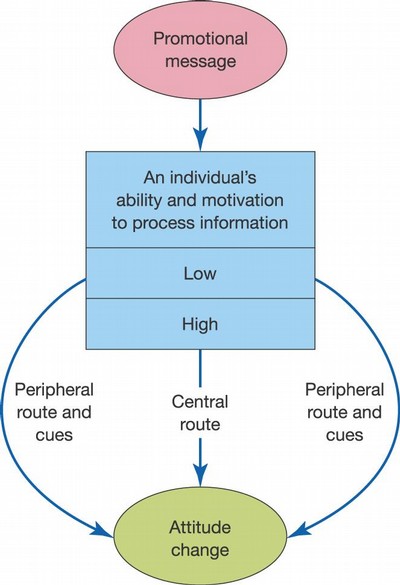
(Asker et al, 1992)
The Elaboration likelihood model is a key model used to consider the changing attitudes of consumers in emotional advertising. The elaboration continuum is used to demonstrate how involved the consumer is in an advertisements, those with high involvement take a central route, whereas, low involvement consumers take a peripheral route processing (Szmigin and Piacentini, 2015). Iceland’s Rang Tan advert is engaging as it is informative as well as the use of peripheral cues of the rhyme and the picture of the girl and orangutan, ‘encouraging deeper engagement with the brand’ ( Szmingin and Piacentini, 2015, p221).
Benefits of using an emotional advert
Using emotion within an advert can make it more memorable, if it makes you laugh or cry this has a psychological impact on your emotion and it makes advert difficult to forget. A recent example of this was Iceland’s controversial, animated advert Rang Tan’ which was not allowed to be shown on TV as it was deemed too political, which breaches the broadcast code of advertising practice.
The advert originally produced by Greenpeace highlighted the impact on the environment of firms collecting palm oil and the subsequent destruction of the rainforests and the effect on the existence of the Orangutan. This impactive advert although not shown on TV as originally planned, has been viewed 605,815 times on YouTube on the Greenpeace site and 5,732,124 views on Iceland’s advert page. The fact that this advert was supposedly ‘banned ‘ from TV has quite possibly increased the success and hype of the advert. With over 30 million views across social media the Iceland advert is likely to become the most popular Christmas advert on social media. Celebrities across the world have added to the hype with James Corden tweeting ‘this commercial was banned from TV for being too political, I think everyone should see it’ was shared over 441,000 times (The Telegraph, 2018).
Iceland’s marketing director is reported in the Telegraph to have said, “we’ve been able to reach a huge number of customers without TV advertising, thanks to the level of support from campaigners, celebrities, media and of course the public” (The Telegraph, 2018).
Showing the power of emotional advertising at its best an advert that was never viewed on TV and cost very little to Iceland has had a dramatic effect. Ellen Hamlet reported “Iceland’s Rang-tan Christmas advert the most likely to make people buy” (Marketing week, 2018) and was reportedly the best received advert overall.
References
Blog.hubspot.com (2018). The Ultimate Guide to Emotional Marketing. [online] Available at: https://blog.hubspot.com/marketing/emotion-marketing [Accessed 7 Dec. 2018].
Fill, C. (2011) Essentials of Marketing Communications. Harlow: Pearson Education Limited . P240
Marketing Week. (2018). Iceland’s ‘Rang-tan’ Christmas ad the most likely to make people buy. [online] Available at: https://www.marketingweek.com/2018/12/04/iceland-rang-tan-christmas-ad-make-people-buy/ [Accessed 7 Dec. 2018].
Rang Tan. (2018). [image] Available at: https://www.independent.co.uk/news/business/news/iceland-christmas-advert-not-banned-clearcast-orangutan-palm-oil-a8634071.html [Accessed 7 Dec. 2018].
Szmigin, I and Piacentini, M. (2015) Consumer Behaviour . Oxford : Oxford University Press. P 121
The Telegraph. (2018). Iceland’s ‘banned’ advert could become most popular ever on social media by Christmas as clearance agency warns of copycats exploiting ’emotive’ loophole. [online] Available at: https://www.telegraph.co.uk/news/2018/11/13/icelands-banned-advert-could-become-popular-ever-social-media/ [Accessed 7 Dec. 2018].


